How to Pay in Korea: Cards, Apple Pay, Cash and ATMs
Checked on 22 Oct 2026 against Seoul Metropolitan Government's 16 Mar 2026 notice, the Bank of Korea survey (Newsis), Korea Customs, VisitKorea, Visit Seoul, the WOWPASS FAQ, and Baemin and Hana Card statements reported by Asiae and SBS Biz.
Pay with a Visa or Mastercard credit card almost everywhere in Korea, and carry about ₩50,000–100,000 in cash for market stalls, street food and T-money top-ups at convenience stores. Since March 2026, Seoul subway machines sell single tickets and Climate Cards on foreign cards (3.7% fee); foreign Apple Pay works only in some apps (checked 22 Oct 2026).
Best forFirst-timersBudgetSoloFamilies
Your situation → do this
| If you… | Do this |
|---|---|
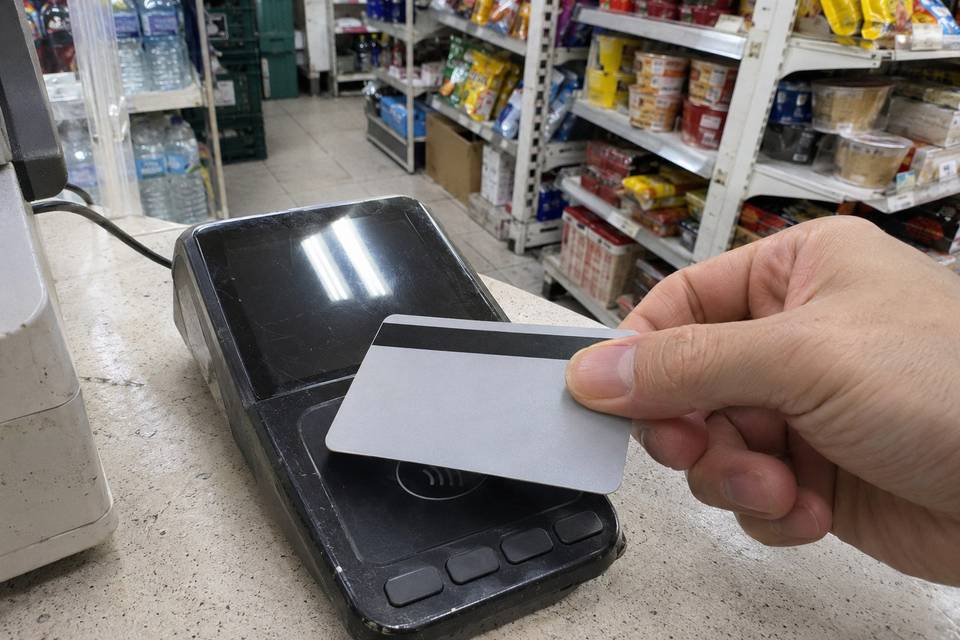
| You have a Visa or Mastercard credit card | Use it as your main way to pay; tell your bank you are travelling and always choose to pay in won |
| You only have an iPhone with Apple Pay | Bring the physical card too: foreign Apple Pay is confirmed in Baemin and the Mobile Tmoney app, not at every shop counter |
| You pay with GCash, Touch 'n Go or another Asian wallet at home | Look for the Alipay+ sign at the counter, and carry a card as backup |
| You land late at night and have no won | Use a 24-hour bank exchange counter or Global ATM in the arrivals hall at Incheon before you take the train |
| You want one card for shopping and the subway | Get a WOWPASS at a kiosk, load it with foreign cash, and top up its T-money side with won |
Key takeaways
- Credit cards were 46.2% of all payments by count in Korea's 2024 central-bank survey; cash was 15.9%.
- Cash still matters at market stalls, street food carts and T-money top-ups in convenience stores.
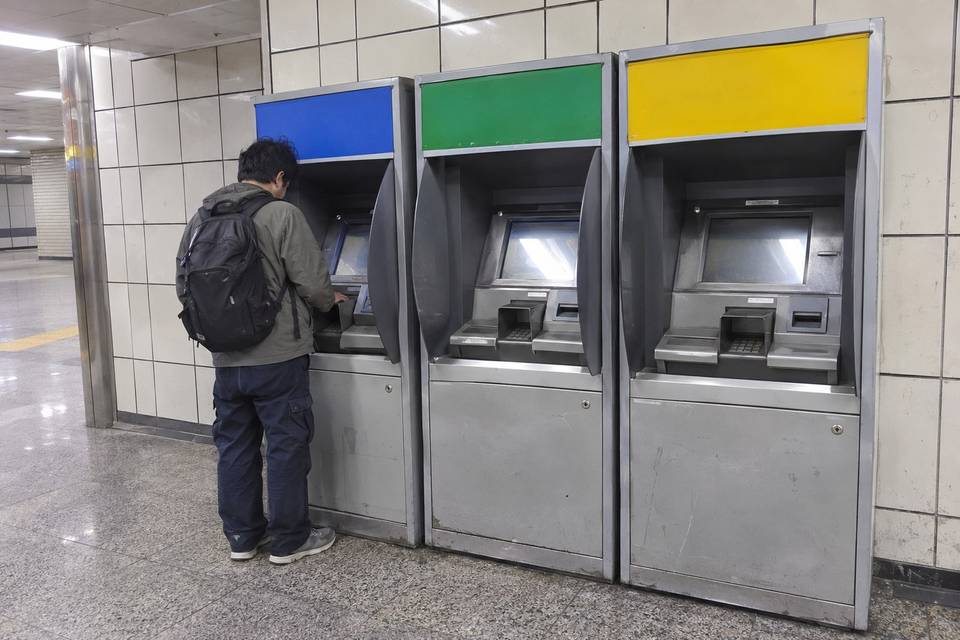
- Seoul subway Lines 1–8 have 440 new ticket machines that take foreign Visa and Mastercard since 17 March 2026.
- Bring under US$10,000 in cash or declare it to Korea Customs on arrival.
- Tax comes off at the till for purchases from ₩15,000 to under ₩1,000,000 at Tax Free stores.
| Most used way to pay in Korea | Credit card 46.2%, debit card 16.4%, cash 15.9%, mobile card 12.9% of payments by count (2024)Source: Bank of Korea survey, via Newsis, 25 Mar 2025 |
|---|---|
| Foreign cards at Seoul subway machines | Since 17 Mar 2026: 440 machines at 273 stations on Lines 1–8; about 3.7% feeSource: Seoul Metropolitan Government, 16 Mar 2026 |
| Cash you must declare | More than US$10,000 (or equivalent in won or cheques) on arrivalSource: Korea Customs Service |
| Tax refund at the till | ₩15,000 to under ₩1,000,000 per receipt, up to ₩5,000,000 per tripSource: VisitKorea, updated 3 Aug 2026 |
| Tipping | Not expected; some hotels and upscale restaurants add a 10% service chargeSource: Visit Seoul |
- Time
- About 10 min to set up before you fly
- Cost
- ₩50,000–100,000 cash to start; card fees set by your home bank
- What you need
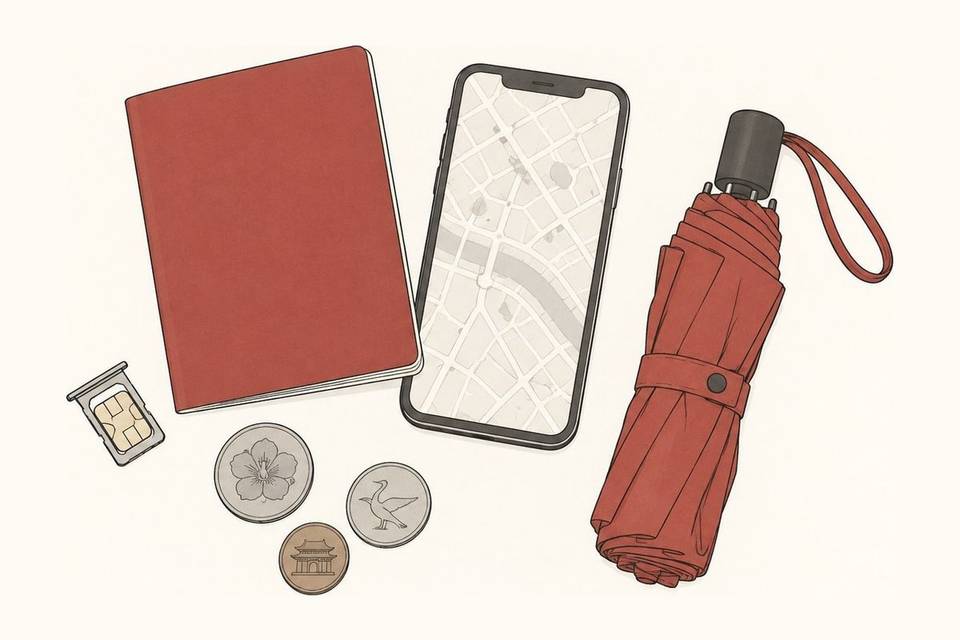
- A Visa or Mastercard credit or debit card (two if you can) · Your bank's travel notice or app alerts switched on · Your passport for tax refunds and WOWPASS · A small amount of won for the first day
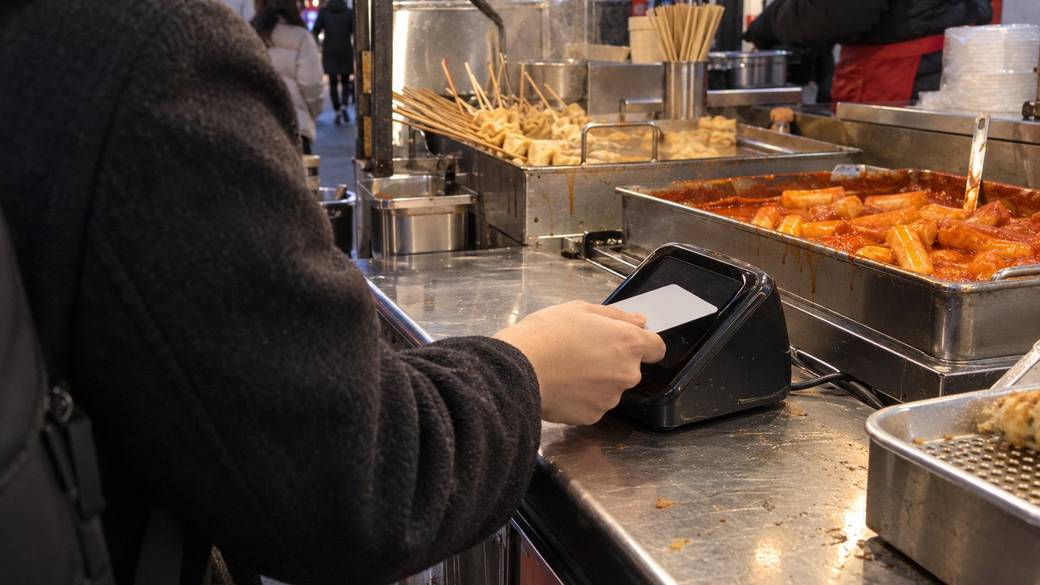
To pay in Korea, bring a Visa or Mastercard and a little cash, and you’ll rarely get stuck. This page covers which card to bring, where cash still counts, ATMs, exchange and WOWPASS. More money and planning basics are in Planning Guides.
What should you bring to pay in Korea?
Korea is one of the easiest countries in Asia to pay by card. In the Bank of Korea’s 2024 payment survey of 3,551 adults, credit cards made up 46.2% of all payments by count, debit cards 16.4%, mobile cards 12.9% and cash 15.9% (Newsis, 25 March 2025). The same survey found that 88% of people had still used cash in a face-to-face purchase in the past month. That is roughly what a visitor sees: cards almost everywhere, cash at the edges.
Have these ready before you fly
- A Visa or Mastercard credit card as your main card. Bring a second card on a different network or from a different bank in case one is blocked.
- Your bank app with transaction alerts on, so you can approve a flagged first charge from a Korean merchant.
- Your card PIN. Most shops don’t ask for it, but ATMs do.
- ₩50,000–100,000 in cash for the first day or two, or a plan to get it at the airport.
- Your physical passport, which shops need for the tax refund and WOWPASS kiosks need to issue a card.
Cards issued on other networks are harder to call. We found official confirmation of JCB and Amex only in specific services (Baemin, Mobile Tmoney), and no clear source on Discover or RuPay, so don’t make one of those your only card; our card-by-card guide to Amex, Discover, JCB, UnionPay and RuPay in Korea has what we could confirm for each network.
Korean law is on your side at the counter. The Specialized Credit Finance Business Act (여신전문금융업법, Article 19) bars a registered card merchant from refusing a card payment or treating a card user worse than a cash payer, which covers surcharges. Very small stalls that aren’t card merchants at all are the exception.
Where do you still need cash?
You need cash in fewer places every year, but a few situations still trip up first-timers:
- Traditional market stalls and street food carts. Many take cards or bank transfer now, but enough are cash-only that you should carry small notes. Our Korean street food guide has typical prices.
- Topping up T-money at convenience stores. The cashier tops up your transit card with won cash. Seoul’s new subway machines take foreign cards only for single-journey tickets and Climate Card passes (Seoul notice, March 2026), so T-money top-ups still need won.
- WOWPASS transit balance. The T-money side of a WOWPASS is topped up separately and only with Korean won cash (WOWPASS FAQ).
- Cashless buses. Some city buses have no cash box at all, so you must tap a transit card. Seoul made about 25% of its buses cashless in March 2023, and Gyeonggi Province expanded cashless buses to 80 routes on 1 April 2026 (Kukinews, 5 March 2026). Carry a topped-up transit card rather than coins.
Card or cash in common travel situations in Korea (checked 22 Oct 2026)
| Situation | Foreign card? | Cash? | Best move |
|---|---|---|---|
| Restaurants, cafés, convenience stores | Yes, almost always | Yes | Card |
| Department stores, Olive Young, Daiso | Yes | Yes | Card + passport for tax refund |
| Market stalls, street food | Sometimes | Yes | Small notes |
| Subway ticket machines, Seoul Lines 1–8 | Yes, since 17 Mar 2026 (~3.7% fee) | Yes | Card or cash |
| T-money top-up at a convenience store | Usually no | Yes | Cash |
| Bus fare | No (tap a transit card) | Not on cashless routes | Transit card |
| Taxi app (k.ride, Uber) | Yes, registered in the app | — | App + card |
| Food delivery (Baemin) | Yes, incl. foreign Apple Pay | — | App + card |
The pattern is simple: a card covers anything with a counter or an app, and cash covers stalls and transit-card top-ups.
Does Apple Pay or Google Pay work in Korea?
Not reliably with a foreign card, so don’t leave the physical card at the hotel. Apple Pay launched in Korea for Korean-issued cards, and the confirmed uses for foreign cards are narrow:
- Baemin (food delivery) accepts Apple Pay with foreign Visa, Mastercard, JCB and Amex cards from 2 June 2026, the first Korean delivery app to do so (Asiae, 31 May 2026). Our food delivery guide has the steps.
- Mobile Tmoney on iPhone has a foreigner login that tops up the transit card with Mastercard, Amex or UnionPay; Visa was not listed when this was reported in 2026. The details are in T-money vs WOWPASS vs Climate Card.
We found no official statement from Apple, a Korean card company or a merchant group that shop terminals in general accept foreign Apple Pay, and no 2026 source on Google Wallet or Samsung Wallet with foreign cards. If tapping your phone works at a counter, good; plan as if it won’t.
How do you get cash from an ATM?
ATMs that accept foreign cards are easy to find. Visit Seoul says they are marked with a “Global” sign or the logo of the networks they take, most have English menus, and they usually run until 23:00, with many open 24 hours. Convenience-store ATMs often charge higher fees than bank ATMs.
- Find a Global ATM. Look for “Global” or your card’s network logo (Visa, Plus, Mastercard, Cirrus) on the machine, at a bank branch, a convenience store or the airport.
- Insert your card and pick English. The language button is usually on the first screen.
- Choose the withdrawal option. If the menu separates domestic and foreign cards, pick foreign.
- Enter your PIN. Use the PIN you use at home. If your card has never been used in an ATM abroad, ask your bank before you fly whether it works overseas.
- Check what you are withdrawing from. A withdrawal on a credit card is a cash advance with its own fees and interest; use a debit card for cash where you can.
- Enter the amount in won. Take a larger sum less often, since each withdrawal can carry a Korean ATM fee and your home bank’s fee.
- Read the fee screen and decline conversion. If the ATM offers to charge you in your home currency, choose won.
- Take your card, cash and receipt. Keep the receipt until you have checked the charge in your bank app.
Korean banks don’t publish a single fee table for foreign cards, so we don’t quote one. The ATM shows its fee before you confirm, and your own bank adds its foreign-transaction and withdrawal fees on top. Our guide to withdrawing cash with a foreign card has reported fees, how much to take out and what to try if a machine declines your card.
Where should you exchange money?
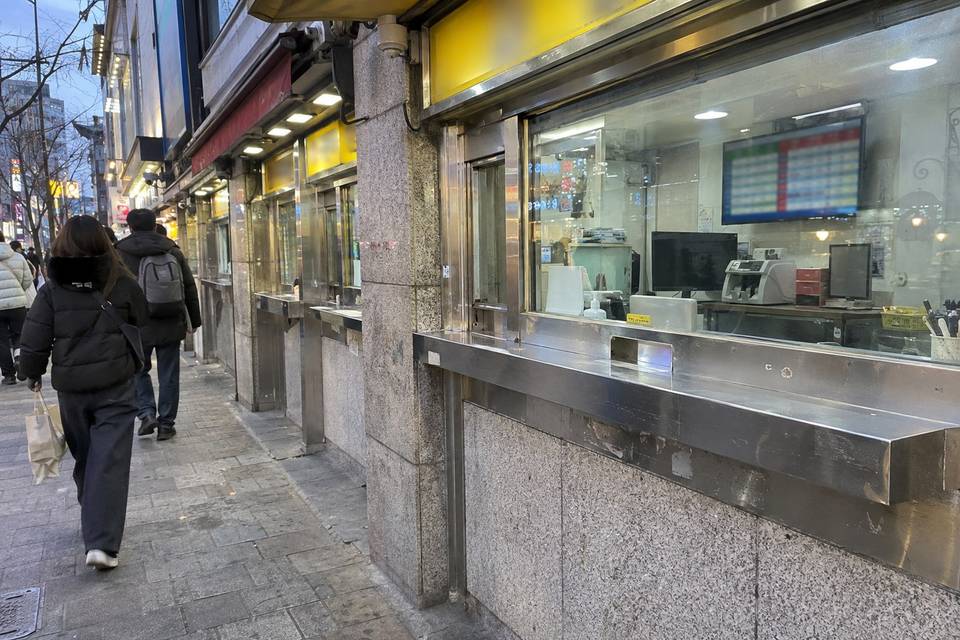
Banks usually offer travellers the best rates, according to Visit Seoul, and most branches open 09:00–16:00 on weekdays. Outside bank hours, use a government-certified exchange booth: these show a “Certified” sign with currency symbols, and Visit Seoul tells visitors to avoid uncertified booths. The private changers in Myeongdong draw queues of foreign visitors (Newsis, July 2026); compare two or three before you change a large sum. Our currency exchange guide shows how much each currency loses at a Korean bank and how to judge a booth’s board.
Bring clean, undamaged notes in a currency changers know well, such as US dollars, and change only what you’ll spend. Airport counters are convenient: change a first day’s cash there and compare rates in town.
The legal limit you need to know is on the way in. Korea Customs requires you to declare more than US$10,000 (or the same value in won or cheques) on arrival, by ticking item 3 on the traveller declaration and getting a certificate. Undeclared amounts can bring a fine or prosecution. Leaving with no more than you brought in needs no report.
What is WOWPASS, and do you need one?
WOWPASS is a prepaid card for foreign visitors only. It works as a chip payment card in shops, with a T-money transit card built in. According to its FAQ:
WOWPASS rules and fees from the official FAQ (checked 22 Oct 2026)
| Item | Rule |
|---|---|
| Who can get it | Foreign nationals only, with a passport |
| Card fee | ₩6,000 registration, not refunded |
| Top-up at a kiosk | Cash in 16 currencies, no top-up fee |
| Top-up in the app | Overseas card or wallet, ₩200,000 per time, ₩1,000,000 a month |
| Balance limit | ₩1,000,000 |
| Transit (T-money) side | Topped up separately, won cash only |
| Leftover money | Withdraw as won cash at a WOW Exchange kiosk, up to ₩100,000 a time, ₩1,000 fee |
| Online payments | Not supported |
WOWPASS earns its fee if you’d rather spend foreign cash than pay card fees, or if your home card is often declined abroad. If your credit card has no foreign-transaction fee, a card plus a plain T-money card does the same job for less.
What changes for your country?
The basic plan (card first, small cash) is the same for everyone. These are the differences that matter:
- US, Canada, UK, Australia: a no-foreign-fee Visa or Mastercard credit card is the cheapest way to pay. Expect your bank to flag the first Korean charge; approve it in the app. Amex is confirmed in Baemin and Mobile Tmoney but don’t make it your only card.
- Singapore: multi-currency cards such as YouTrip don’t hold won but spend in won at Mastercard’s rate when you top up in SGD (YouTrip, June 2025). Bring a credit card as backup.
- Philippines and Malaysia: GCash and Touch ’n Go eWallet work in Korea through Alipay+, which Business Wire reported in December 2025 links 21 foreign wallets and bank apps to over 2 million Korean merchants. Touch ’n Go ranked third and GCash sixth among source wallets in 2025. Look for the Alipay+ sign, and carry a card for places without it.
- India: we found no source for UPI or for broad RuPay acceptance in Korea. Bring an international Visa or Mastercard credit card or forex card, plus US dollars to exchange.
How do you get the tax refund when you pay?
At stores showing a Tax Free sign, show your passport when you pay. VisitKorea says purchases from ₩15,000 to under ₩1,000,000 per receipt have the tax taken off at the till, up to ₩5,000,000 for the whole trip, if you are a foreign visitor staying under six months and leave Korea within three months of purchase. Larger receipts go through a downtown refund booth or the airport. The Olive Young guide walks through it at the till.
What can go wrong?
What is changing for visitors in 2027?
Paying for transit is about to get simpler. Hana Card signed an agreement with T-money and Visa, Mastercard, UnionPay and JCB on 22 September 2026 to let visitors tap their own foreign credit card at transit readers, with launch planned for January 2027. It starts on Seoul city buses and is meant to spread to Incheon buses, airport buses, Seoul’s rail operators and village buses (SBS Biz, 22 September 2026). Until it launches, you still need a T-money, WOWPASS or Climate Card to ride, and our budget guide shows what a day of transit costs.
Questions people ask
- Do I need cash in Korea?
- A little. Cards work in most shops, restaurants, taxis and stations, but market stalls, street food carts, some small restaurants and T-money top-ups at convenience stores often take cash only. About ₩50,000–100,000 at a time covers that for most travellers; refill from a Global ATM when it runs low.
- Does Apple Pay work in Korea with a foreign card?
- Only in some places we could confirm. Baemin accepts Apple Pay with foreign Visa, Mastercard, JCB and Amex since 2 June 2026, and the Mobile Tmoney app takes foreign Mastercard and Amex. We found no official statement that shop terminals in general accept foreign Apple Pay, so carry the physical card.
- Which ATMs take foreign cards in Korea?
- Look for ATMs marked 'Global' or showing your card network's logo; bank branches and the airport have them, and many offer English menus. Visit Seoul says ATMs usually run until 23:00 and many are open 24 hours, while convenience-store ATMs often charge more.
- Can I pay with UPI or an Indian RuPay card in Korea?
- We found no source showing UPI payments at Korean merchants, and no clear statement on RuPay acceptance. Indian travellers should bring an international Visa or Mastercard credit card or a multi-currency forex card, plus some US dollars to exchange.
- Should I pay in won or in my home currency?
- In won. If a terminal or ATM offers to charge you in your home currency, decline: the shop's or ATM's exchange rate is usually worse than your card network's. Choosing won lets your own bank do the conversion.
- Is it rude to tip in Korea?
- Not rude, but not expected. Visit Seoul says tipping is not a Korean custom; major hotels and upscale restaurants may add a 10% service charge, and taxi drivers don't expect tips.
Next in your trip
- T-money vs WOWPASS vs Climate Card — Pick the transit card you will top up with your won
- Incheon Airport to Seoul — Your first payment: the airport train or bus into the city
- Korea travel apps — The taxi, map and wallet apps to set up with your card
Sources
- 서울시 – 기후동행카드·일회용 승차권, 현금없이 해외 신용카드로 구매가능해진다 (16 Mar 2026) (Korean)
- 뉴시스 – 한국은행 2024년 지급수단 및 모바일금융서비스 이용행태 조사 (25 Mar 2025) (Korean)
- SBS Biz – 하나카드, 해외카드로 교통카드 찍는 서비스 내년 출시 (22 Sep 2026) (Korean)
- 아시아경제 – 배민, 애플페이 해외카드 결제 지원 (31 May 2026) (Korean)
- 국가법령정보센터 – 여신전문금융업법 (Specialized Credit Finance Business Act) (Korean)
- Korea Customs Service – Currency declaration for travellers
- VisitKorea – Tax refund for foreign tourists (updated 3 Aug 2026)
- Visit Seoul – Money: banks, ATMs, exchange and tipping
- WOWPASS FAQ
- Business Wire – Tourist spending via Alipay+ in South Korea, 2025 (Dec 2025)
- 쿠키뉴스 – 경기도, '현금없는 버스' 80개 노선 확대 (5 Mar 2026) (Korean)
- 아시아경제 – 서울시 현금없는 버스 노선 확대 (27 Feb 2023) (Korean)
- 뉴시스 – 명동 환전소 외국인 (Jul 2026) (Korean)
- YouTrip – Supported currencies (Jun 2025)
Updates
- Published with Seoul's foreign-card ticket machines (17 Mar 2026), Baemin's foreign Apple Pay (2 Jun 2026) and Hana Card's plan for tapping foreign cards on Seoul buses from January 2027.
About Korea Field Notes
An English guide to the practical side of visiting South Korea. Guides are researched from Korean-language official sources (Korail, T-money, Seoul Metro, the Korea Tourism Organization) and re-checked when rules or prices change. Each guide shows when its facts were last checked and lists its sources. About the site · How we research and update guides · Found something out of date? Tell us.