Seoul vs Tokyo: Which City to Visit First?
Fares, taxes and entry rules checked against the Tokyo Metropolitan Government, Japan Tourism Agency, JNTO, Japan's MOFA and embassy pages, K-ETA, Seoul city and VisitKorea, plus Korean and Japanese press for hotel and payment data, on 26 Oct 2026.
Pick Seoul for K-pop, skincare shopping, card-first payments and tax refunds at the till; pick Tokyo for milder winters, fully working Google Maps and more day trips. Hotels and single subway rides cost about the same (₩1,550 vs ¥180, both about US$1.15), and the cities are roughly two hours apart by air (fares checked 26 Oct 2026).
Best forFirst-timersK-pop fansBudgetSolo
Your situation → do this
| If you… | Do this |
|---|---|
| You want K-pop, K-beauty and Korean food | Seoul first; 4–5 days covers palaces, Hongdae, Seongsu and Myeong-dong |
| You're travelling in December–February and hate the cold | Tokyo: January highs average 9.8 °C against Seoul's 2.1 °C |
| You hold a Philippine or Indian passport | Both need a visa; apply for one country first rather than two at once |
| You have 8 days or more | Do both: fly Seoul–Tokyo (about 2 h), or ferry Busan–Fukuoka and train on |
Key takeaways
- Seoul subway rides cost ₩1,550 by card; Tokyo Metro starts at ¥180. Both are about US$1.15.
- Seoul's 3-day Climate Card pass is ₩10,000; Tokyo's 72-hour Subway Ticket rose to ¥2,000 on 14 Mar 2026.
- Since 1 Nov 2026 Japan charges full price and refunds tax at the airport; Korea still deducts it at the till.
- Japan's departure tax rose to ¥3,000 on 1 Jul 2026; it is added to your air or ferry fare.
- Malaysians need a K-ETA for Korea but nothing for Japan; Filipinos and Indians need visas for both.
| Subway single ride | Seoul ₩1,550 by transit card · Tokyo Metro from ¥180 (ticket)Source: Seoul Metropolitan Government; Tokyo Metro fare (2023 revision, unchanged in 2026) |
|---|---|
| Tourist transit passes | Seoul Climate Card 3 days ₩10,000 (+₩3,000 card) · Tokyo Subway Ticket 72 h ¥2,000Source: Seoul city; Tokyo Metropolitan Government, 30 Jan 2026 |
| Average hotel night | Seoul ₩247,000 (Aug 2025) · Tokyo city hotels ¥28,300, business hotels ¥14,300 (Jul 2025–Jun 2026)Source: Hankyung; MetroEngines via HotelBank |
| Tax refund | Korea: deducted at the till (₩15,000 to under ₩1,000,000 per receipt) · Japan since 1 Nov 2026: pay in full, refund at departureSource: VisitKorea; Japan Tourism Agency |
| Departure tax | Japan ¥3,000 from 1 Jul 2026 (in the ticket price)Source: JNTO, 11 May 2026 |
| Exchange rates used | US$1 ≈ ₩1,324 ≈ ¥156.8 (ECB reference rates, 23 Oct 2026)Source: European Central Bank |
This page compares Seoul and Tokyo for travellers choosing their first of the two, by cost, entry rules, payments, navigation, seasons and what each city does best. More cross-border planning is in our Korea & Japan section.
How do Seoul and Tokyo compare?
Seoul vs Tokyo for a first-time visitor (fares, taxes and rules checked 26 Oct 2026)
| What matters | Seoul | Tokyo | Edge |
|---|---|---|---|
| Subway single ride | ₩1,550 by card (≈ US$1.17) | From ¥180 (≈ US$1.15) | Even |
| 3-day transit pass | Climate Card ₩10,000 + ₩3,000 card (≈ US$10) | Tokyo Subway Ticket 72 h ¥2,000 (≈ US$13) | Seoul |
| Average hotel night | ₩247,000 (≈ US$187, Aug 2025) | City hotels ¥28,300 (≈ US$180); business hotels ¥14,300 (≈ US$91) | Tokyo for budget rooms |
| Paying | Cards almost everywhere; cash 15.9% of payments (2024) | Cashless 58.0% of spending (2025); keep more cash | Seoul |
| Tax-free shopping | Deducted at the till in many shops | Since 1 Nov 2026: pay in full, refund at the airport | Seoul |
| Maps | Google Maps: transit only; use Naver Map | Google Maps works fully | Tokyo |
| Winter (Jan high / low) | 2.1 °C / −5.5 °C | 9.8 °C / 1.2 °C | Tokyo |
| Visitors in 2025 | About 18.9 million to Korea | About 42.7 million to Japan | Seoul (fewer crowds) |
On paper the two cities cost about the same, so the choice comes down to what you want to do, when you travel and how much friction you’ll accept with maps or cash.
All dollar figures on this page use ECB reference rates of 23 October 2026: US$1 ≈ ₩1,324 ≈ ¥156.8. The payment and visitor figures come from different national surveys, so read them as a direction, not an exact like-for-like gap.
When should you pick Seoul?
- You came for Korean culture. K-pop shops, concerts and dance classes, Korean barbecue and street food, palaces in hanbok: Seoul is the only place to do these properly. If a concert is the reason for the trip, start with our K-pop concert tickets guide.
- Shopping for skincare and fashion is a big part of the plan. Olive Young, Daiso and the Seongsu and Hongdae shops are dense and walkable, and the tax comes off at the till: VisitKorea lists the immediate refund for purchases from ₩15,000 to under ₩1,000,000 per receipt, up to ₩5,000,000 per trip. Our Olive Young guide covers what to buy.
- You’d rather tap a card than carry cash. In the Bank of Korea’s 2024 survey, credit cards made up 46.2% of payments by number and cash 15.9%. Visa and Mastercard work in most shops, taxis and restaurants; our paying in Korea guide covers the exceptions.
- You have four or five days. Seoul’s main areas fit into four days plus a day trip, as our how many days in Seoul guide lays out.
When should you pick Tokyo?
- You’re travelling in winter. Seoul’s January averages a high of 2.1 °C and a low of −5.5 °C (KMA normals, 1991–2020). Tokyo’s January averages 9.8 °C and 1.2 °C (JMA normals), which is a coat but rarely a deep freeze.
- You want to navigate with Google Maps. In Korea, Google Maps shows transit routes but no walking or driving directions, so most visitors switch to Naver Map. In Tokyo, Google Maps works the way it does at home. See our Korea travel apps guide if Seoul wins anyway.
- You want cheap private rooms. Tokyo’s business hotels averaged ¥14,300 (about US$91) over July 2025–June 2026 per MetroEngines, about half of Seoul’s overall hotel average. Small rooms, but your own.
- You want a longer list of day trips and a bigger food scene. Tokyo is larger, and classic side trips such as Nikko, Kamakura and Hakone extend a stay to a week without repeating yourself.
What do you need to get in?
This is the first thing to check, because for some passports one city is much simpler than the other.
Entry for short tourist stays by passport (K-ETA portal, Japan MOFA and embassy pages, checked 26 Oct 2026)
| Passport | Korea | Japan |
|---|---|---|
| US, UK, Canada, Australia, Singapore | No K-ETA needed until 31 Dec 2026 (exemption) | Visa-free, up to 90 days |
| Malaysia | K-ETA required (₩10,000 + 3% card fee) | Visa-free up to 90 days with an ICAO e-passport |
| Philippines | Visa required (not K-ETA eligible) | Visa required; Japan’s eVISA is applied for through an accredited agency |
| India | Visa required (not K-ETA eligible) | Visa required; check the Japanese embassy for the current route |
For most of our readers’ passports, both cities are easy until the end of 2026. After that, Korea’s K-ETA exemption for US, UK, Canadian, Australian and Singapore passports runs out unless it is extended; no extension had been announced when we checked. Our K-ETA guide tracks it.
Country notes:
- Malaysia: Japan is the simpler entry, with no form. The Embassy of Japan’s exemption applies only to ordinary biometric passports with the ICAO chip. Korea needs a K-ETA for every visa-free trip.
- Philippines: Japan’s MOFA page says eVISAs issued to Filipino residents of the Philippines allow a 15-day stay, and an interview may be requested. Apply for one country’s visa first, then the other, so one refusal doesn’t sink both trips.
- India: both countries need a visa. Indian travellers should also bring an international Visa or Mastercard. We found no evidence of UPI or RuPay acceptance at Korean merchants.
Leaving Japan, a ¥3,000 international tourist tax is added to air and ferry tickets for departures from 1 July 2026, per JNTO. Korea’s departure charges are also built into the fare, so you won’t pay either at the airport.
What does it cost for a real trip?
Both worked examples use the averages above and the cheapest sensible transit pass. They leave out flights, food and shopping, which depend on you more than on the city.
Five nights, hotel + transit pass + entry, two people sharing a room (averages and fares checked 26 Oct 2026)
| Item | Seoul | Tokyo (city hotel) | Tokyo (business hotel) |
|---|---|---|---|
| 5 hotel nights | ₩1,235,000 (≈ US$933) | ¥141,500 (≈ US$902) | ¥71,500 (≈ US$456) |
| Transit pass × 2 people | Climate Card 5 days ₩15,000 + ₩3,000 card, ×2 = ₩36,000 (≈ US$27) | 72 h Subway Ticket ¥2,000 ×2 = ¥4,000 (≈ US$26), plus pay-as-you-go for days 4–5 | Same as city hotel |
| Entry (US/UK/AU/CA/SG passport) | None in 2026 | ¥3,000 × 2 departure tax, in the fare (≈ US$38) | Same |
| Total, two people | ≈ US$960 | ≈ US$966 + 2 days’ fares | ≈ US$520 + 2 days’ fares |
The takeaway: at mid-range hotel level the two cities cost almost the same, and Tokyo only gets clearly cheaper if a small business-hotel room is fine for you.
A few limits on these numbers. Seoul’s ₩247,000 is an all-hotel average for August 2025, while Tokyo’s figures are by category for July 2025–June 2026, so treat the hotel line as indicative. Tokyo’s Subway Ticket covers Tokyo Metro and Toei lines only, not JR trains such as the Yamanote Line, and it needs a foreign passport to buy. For a fuller Seoul daily budget with meals and sights, see our Korea travel budget: about ₩176,000 per person a day mid-range when two share a room.
How does getting around compare?
Both cities have huge, punctual subway networks, and in both you’ll mostly ride the metro and walk. The differences are in passes and apps.
Seoul. Buy a T-money card at a convenience store for about ₩3,000 and rides cost ₩1,550 each, or take a Climate Card short-term pass (1 day ₩5,000 to 7 days ₩20,000) if you’ll ride a lot. Our T-money vs WOWPASS vs Climate Card comparison explains which to buy. From Incheon Airport, the AREX all-stop train costs ₩4,750 to Seoul Station; our Incheon Airport to Seoul guide has every option.
Tokyo. Single rides on Tokyo Metro start at ¥180 with a ticket; the general fare was not changed in 2026, though a full fare revision is planned for around 2028. The Tokyo Subway Ticket rose on 14 March 2026 to ¥1,000 for 24 hours, ¥1,500 for 48 hours and ¥2,000 for 72 hours (children half price), per the Tokyo Metropolitan Government. Airport combo tickets cost more: the Haneda version is ¥1,600–2,600 and the Skyliner version from Narita ¥3,100–6,100.
How do the seasons compare?
The two cities share the same broad calendar: cherry blossom in early April, a humid summer with a rainy season, colourful autumns and cold, dry winters. Seoul swings further both ways.
Average daily high and low, °C (KMA and JMA 1991–2020 normals, checked 26 Oct 2026)
| Month | Seoul | Tokyo |
|---|---|---|
| January | 2.1 / −5.5 | 9.8 / 1.2 |
| August | 30.0 / 22.9 | 31.3 / 23.5 |
In other words, summers feel similar and winters are where Tokyo is clearly kinder.
Season notes for our readers’ markets:
- Australia and Singapore (December–January school holidays): Seoul in January is about 7 °C colder by day than Tokyo. Pack properly, or choose Tokyo if you’d rather not deal with it. Our Korea weather by month guide has more detail.
- UK and US families (summer holidays): both cities are hot and wet in July and August, so the weather won’t decide it.
- Autumn: both are at their best from mid-October to November.
Can you do both in one trip?
Yes, and with eight days or more it’s often the best answer. Our Korea and Japan trip planner splits 7 to 21 days between the two countries and prices the border legs. Flights between Seoul (Gimpo or Incheon) and Tokyo (Haneda or Narita) take roughly 2 to 2.5 hours, and many airlines fly the route. Our Seoul to Tokyo guide compares the airport pairs, fares and transfer times.
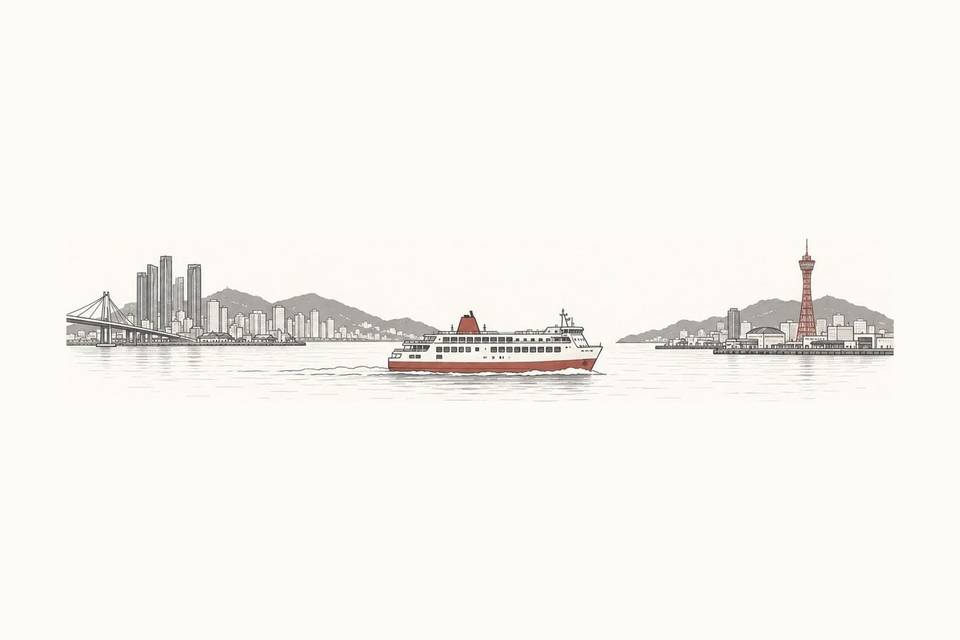
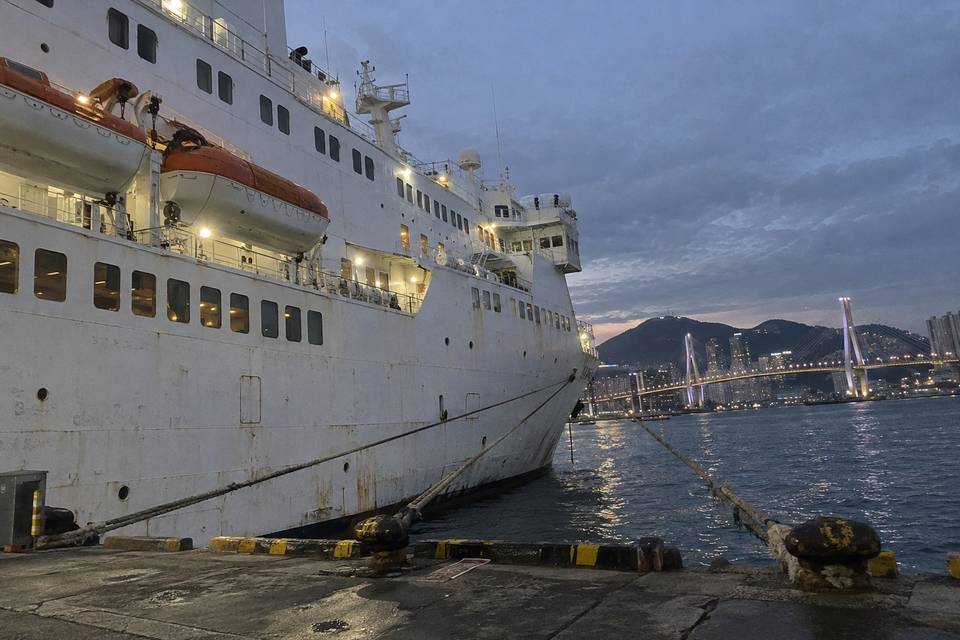
The overland alternative is slower but scenic: KTX from Seoul to Busan, then Camellia Line’s overnight ferry to Fukuoka, then onward by train. Our Fukuoka–Busan ferry guide has the timetable and fares, which start at ₩150,000 one way from Busan.
If you combine them
- Book an open-jaw ticket: fly into one city and out of the other, so you don’t backtrack.
- Check entry for both countries; for Philippine and Indian passports that means two visas.
- Keep receipts and goods together when leaving Japan: since 1 Nov 2026 the tax refund happens at the airport kiosk, before you check in.
- Budget for the ¥3,000 Japanese departure tax in the Japan-to-Korea ticket.
- Use separate apps: Naver Map in Korea, Google Maps in Japan.
What can go wrong?
Bottom line
For a first trip, pick Seoul if Korean culture, shopping and easy card payments matter most, and Tokyo if you’re travelling in winter or want the simplest navigation. The answer flips if hotel cost decides everything and a small room is fine, which favours Tokyo’s business hotels, or if Korea’s K-ETA exemption ends after 2026 and Japan is simpler for your passport. Ready for Seoul? Start with our Korea first-trip recommendations.
Questions people ask
- Is Seoul or Tokyo cheaper?
- They are close. A Seoul subway ride is ₩1,550 and a Tokyo Metro ride starts at ¥180, both about US$1.15. Seoul hotels averaged ₩247,000 (about US$187) in August 2025, while Tokyo city hotels averaged ¥28,300 (about US$180). Tokyo's business hotels, at ¥14,300, are the cheapest private rooms of the two.
- Is Seoul or Tokyo better for a first trip to Asia?
- Either works. Seoul is easier on payments, since cards are taken almost everywhere and tax comes off at the till. Tokyo is easier on navigation, because Google Maps gives full walking and transit directions there, while in Korea you need Naver Map.
- How many days do I need for Seoul or Tokyo?
- Four to five days covers Seoul's main areas plus one day trip, as our how-many-days guide explains. Tokyo is larger and has more day trips (Nikko, Kamakura, Hakone), so five to seven days is a comfortable first visit.
- How far is Tokyo from Seoul?
- About two hours by air: Gimpo–Haneda and Incheon–Narita or Haneda flights take roughly 2 to 2.5 hours. The slower option is the KTX to Busan, the Camellia Line ferry to Fukuoka and then the shinkansen to Tokyo.
- Do I need a visa for Japan if I have a K-ETA for Korea?
- They are separate. US, UK, Canadian, Australian, Singaporean and Malaysian e-passport holders can visit Japan visa-free for up to 90 days. Philippine and Indian nationals need a Japanese visa as well as a Korean one.
Next in your trip
- Korea first-trip recommendations — what to book first once Seoul wins
- K-ETA guide — check whether your passport needs one, especially after 31 Dec 2026
- Fukuoka–Busan ferry — the sea route if you decide to do both countries
Sources
- 東京都 – 東京メトロ・都営地下鉄 共通一日乗車券、Tokyo Subway Ticket 等の発売額改定 (30 Jan 2026) (Japanese)
- Japan Tourism Agency – New tax-free system from 1 November 2026 (for travellers)
- JNTO – Changes are coming to Japan's tax-free shopping (4 Aug 2026)
- JNTO – Japan's international tourist tax is increasing (11 May 2026)
- Ministry of Foreign Affairs of Japan – Exemption of visas (short-term stay)
- Embassy of Japan in Malaysia – Visa requirement for Malaysian nationals
- Ministry of Foreign Affairs of Japan – JAPAN eVISA
- HotelBank – Tokyo hotel ADR by category, July 2025–June 2026 (MetroEngines, 4 Aug 2026)
- 한국경제 – 서울 호텔 객실 평균 요금 (2025년 8월) (Korean)
- SBS Biz – 한국은행 2024 지급수단 이용행태 조사: 신용카드 46.2%, 현금 15.9% (25 Mar 2025) (Korean)
- BCN Retail – 2025年のキャッシュレス決済比率 58.0%(経済産業省, 3 Apr 2026) (Japanese)
- 파이낸셜뉴스 – 2025년 방한 외래관광객 1,894만명, 1인당 지출 1,155.8달러 (24 Feb 2026) (Korean)
- K-ETA – Official portal (exemption list and notices)
- 기상자료개방포털 – 우리나라 기후평년값 (1991~2020, 서울) (Korean)
- 気象庁 – 平年値(東京, 1991~2020) (Japanese)
- European Central Bank – Euro foreign exchange reference rates (23 Oct 2026)
Updates
- Japan's refund-style tax-free system went live on 1 Nov 2026; tax rows and the warning switched to present tense after re-checking the Japan Tourism Agency page.
- Published with Tokyo's March 2026 Subway Ticket prices, Japan's ¥3,000 departure tax and 1 Nov 2026 tax-refund system, Korea's K-ETA exemption to 31 Dec 2026 and ECB rates of 23 Oct 2026.
About Korea Field Notes
An English guide to the practical side of visiting South Korea. Guides are researched from Korean-language official sources (Korail, T-money, Seoul Metro, the Korea Tourism Organization) and re-checked when rules or prices change. Each guide shows when its facts were last checked and lists its sources. About the site · How we research and update guides · Found something out of date? Tell us.