Is Korea Expensive? Prices vs Japan and Home (2026)
Prices checked on 3 Nov 2026 against The Economist's July 2026 Big Mac index data, Korea Consumer Agency meal averages for September 2026, Korean statistics and exchange-rate reports, and operator fare reports for Seoul, Tokyo, New York and London; dollar figures use ECB reference rates of 2 Nov 2026.
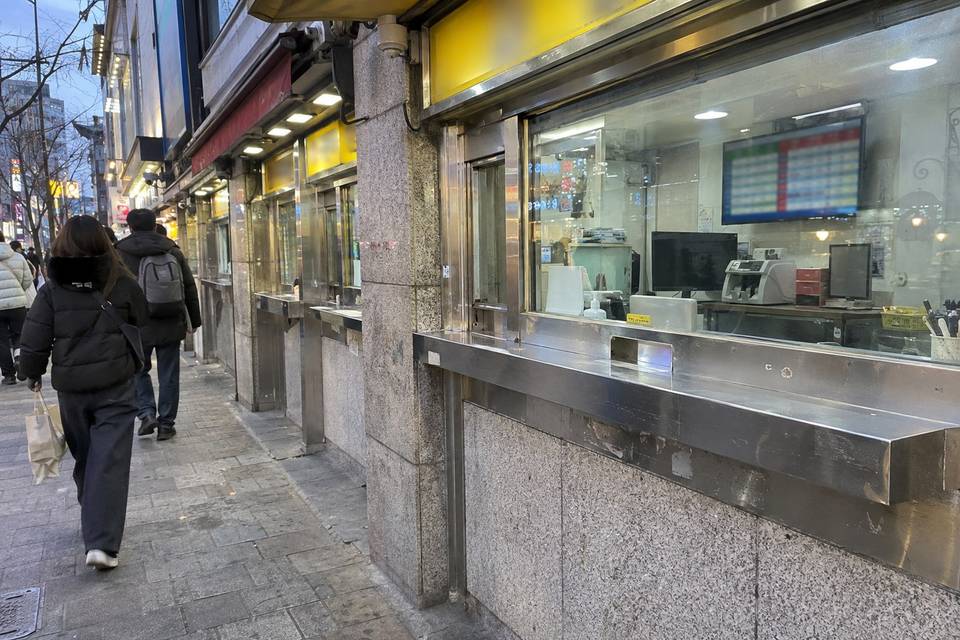
Korea is mid-priced: everyday costs run 27–42% below the US, UK, Australia, Canada and Singapore but above Malaysia, the Philippines, India and Japan, judged by the Big Mac index. Transit is cheap at ₩1,550 a subway ride; hotels are not, averaging ₩247,000 (about US$184) a night in Seoul (rates of 2 Nov 2026).
Best forFirst-timersBudgetFamiliesSolo
Your situation → do this
| If you… | Do this |
|---|---|
| You live in the US, UK, Canada or Australia | Expect food and transit to feel cheap; put most of your budget on the hotel |
| You live in Singapore | Meals and transit cost less than at home, and Seoul rooms average about S$235 against S$274 in Singapore |
| You live in Malaysia, the Philippines or India | Budget above home prices: plan lunch sets, convenience stores and a cheap transit pass |
| You are choosing between Korea and Japan | Mid-range costs are close; Japan is cheaper on the burger measure and for small business-hotel rooms |
| You want a daily budget in won | About ₩176,000 per person a day mid-range when two share a room |
Key takeaways
- A Big Mac costs ₩5,700 in Korea: 27–42% less than in the US, UK, Australia, Canada or Singapore.
- The same burger costs 19% more than in Malaysia, 34% more than in Japan and 60% more than in the Philippines.
- A Seoul subway ride is ₩1,550 (about US$1.15), against US$3.00 in New York and £3.10 in London's Zone 1.
- Hotels are the expensive line: Seoul and Incheon rooms averaged ₩247,000 a night in August 2025.
- The won was about 10% stronger on 2 Nov 2026 (₩1,344 per US dollar) than in mid-July.
| Big Mac in Korea, July 2026 | ₩5,700 (about US$4.24 at 2 Nov 2026 rates); US$6.22 in the US, ¥500 in JapanSource: The Economist Big Mac index data, July 2026 |
|---|---|
| Seoul meal averages, September 2026 | Kimbap ₩3,923 · kimchi-stew set ₩8,846 · bibimbap ₩12,000Source: Korea Consumer Agency via Financial News and Newsway, 19 Oct 2026 |
| Seoul subway single ride | ₩1,550 by transport card, since 28 June 2025Source: Hankyung, 23 Jun 2025 |
| Average hotel night, Seoul and Incheon | About ₩247,000 (August 2025)Source: Hankyung, 16 Oct 2025 |
| Consumer price inflation | 2.9% year on year, September 2026Source: Korea.kr policy briefing, 2 Oct 2026 |
| Exchange rate used | US$1 = ₩1,343 (ECB reference rate, 2 Nov 2026; Seoul close ₩1,343.8)Source: ECB; Segye Ilbo, 2 Nov 2026 |
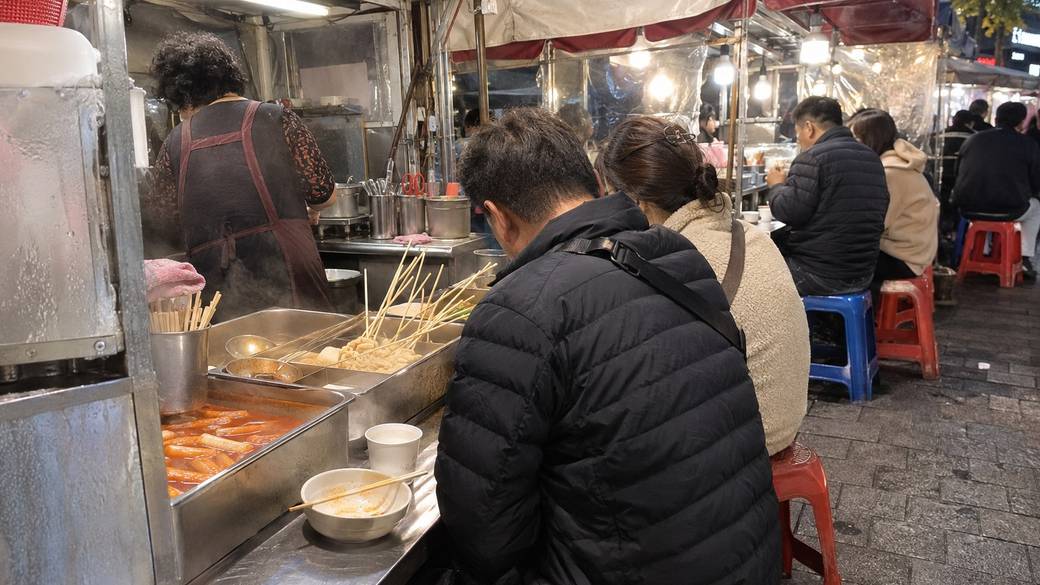
Korea sits in the middle of the price ladder, and where it lands for you depends on what you pay at home. This page compares the same items across our readers’ home countries and Japan; for a daily budget in won, see the Korea travel budget. It is part of our Korea travel guides.
Is Korea cheap or expensive compared with your country?
The cleanest like-for-like price is the one The Economist has tracked since 1986: a Big Mac, the same burger in every country. Its July 2026 data puts Korea’s at ₩5,700. Here is what that costs in your currency at today’s rates, against the price at home.
Big Mac price at home vs in Korea, local prices July 2026, converted at ECB rates of 2 Nov 2026
| Home country | Big Mac at home | Korea’s ₩5,700 in your money | Korea is |
|---|---|---|---|
| United Kingdom | £5.49 | £3.16 | 42% cheaper |
| United States | US$6.22 | US$4.24 | 32% cheaper |
| Australia | A$8.50 | A$6.06 | 29% cheaper |
| Canada | C$8.17 | C$5.93 | 27% cheaper |
| Singapore | S$7.45 | S$5.43 | 27% cheaper |
| Thailand | ฿135 | ฿143 | 6% dearer |
| Malaysia | RM14.55 | RM17.28 | 19% dearer |
| Japan | ¥500 | ¥670 | 34% dearer |
| Philippines | ₱169 | ₱270 | 60% dearer |
| India | ₹236 | ₹403 | 71% dearer |
Visitors from the US, UK, Canada, Australia and Singapore will find everyday Korea about a third cheaper than home; visitors from Malaysia, the Philippines, India and Japan will find it dearer.
Read the burger as a yardstick, not a full budget. It tracks the price of a cheap restaurant meal, built from local wages, rent and ingredients, but it says nothing about hotel rooms, which are the biggest line in most trips. India’s figure is the chicken burger The Economist uses there, and local prices may have moved since July.
All conversions on this page use ECB reference rates of 2 November 2026: US$1 = ₩1,343, £1 = ₩1,802, A$1 = ₩941, C$1 = ₩961, S$1 = ₩1,050, RM1 = ₩330, ₱1 = ₩21.1, ₹1 = ₩14.1 and ¥100 = ₩850. Seoul’s own closing rate that day was ₩1,343.8 per dollar.
What is cheap in Korea, and what isn’t?
Korea is uneven. Public services, transit and simple meals are cheap by rich-country standards; rooms and grilled meat are not.
Everyday prices in Seoul with US dollar equivalents, 2025–2026 figures, checked 3 Nov 2026
| Item | Price | About US$ | Verdict |
|---|---|---|---|
| Subway ride, transport card | ₩1,550 | $1.15 | Cheap |
| Climate Card 1-day transit pass | ₩5,000 + ₩3,000 card | $3.72 + $2.23 | Cheap |
| Gyeongbokgung palace ticket | ₩3,000 | $2.23 | Cheap |
| Kimbap roll, Seoul average | ₩3,923 | $2.92 | Cheap |
| Kimchi-stew set meal, Seoul average | ₩8,846 | $6.59 | Fair |
| Bibimbap, Seoul average | ₩12,000 | $8.94 | Fair |
| Pork belly 200 g, national average | ₩17,906 | $13.33 | Pricey |
| KTX Seoul to Busan, one way | ₩54,400 | $40.51 | Fair |
| Hotel night, Seoul and Incheon average | ₩247,000 | $184 | Pricey |
The pattern holds across the table: anything the city runs or subsidises is cheap, while hotel rooms cost about what Tokyo charges.
What stays cheap. A Seoul subway ride costs about 40% of a New York one. Palace tickets cost ₩3,000, and the National Museum of Korea was still free in 2026. There is no tipping: Visit Seoul says it is not a Korean custom. Tax refunds come off at the till in Tax Free shops for single receipts from ₩15,000 to under ₩1,000,000, as our Korea tax refund guide explains.
What costs more than you expect.
- Hotel rooms. The average Seoul and Incheon room was about ₩247,000 a night in August 2025 (Hankyung, 16 October 2025). Cushman & Wakefield estimated average occupancy at 79.2% in 2025, with only about 1,000 new rooms a year, so prices haven’t come down.
- Korean barbecue. The national average for 200 g of pork belly was ₩17,906 in September 2026, about one and a half bowls of Seoul bibimbap for a single portion of meat.
- Shopping. Seoul Tourism Organization’s 2025 survey found foreign visitors spent ₩2.04 million per trip excluding airfare, mostly on shopping, according to our budget breakdown.
Is Korea cheaper than Japan?
No, but the gap is small for a mid-range traveller. Food is dearer in Korea; hotels and transit come out about even.
Korea vs Japan for visitors, prices and rules checked 26 Oct–3 Nov 2026
| Item | Korea | Japan | Cheaper |
|---|---|---|---|
| Big Mac (July 2026) | ₩5,700 (US$4.24) | ¥500 (US$3.17) | Japan |
| Subway single ride | ₩1,550 Seoul (US$1.15) | From ¥180 Tokyo Metro (US$1.14) | Even |
| Average hotel night | ₩247,000 Seoul (US$184, Aug 2025) | ¥28,300 Tokyo city hotels (US$179), ¥14,300 business hotels (US$91) | Japan for small rooms |
| Departure tax | None | ¥3,000, in the air fare, since 1 Jul 2026 | Korea |
| Tax-free shopping | Deducted at the till in many shops | Since 1 Nov 2026: pay in full, refund at departure | Korea, for cash flow |
If you’re happy in a small business-hotel room, Japan is the cheaper trip; at mid-range hotel level the two cost about the same.
The weak yen is the main reason. The Bank of Korea found Korea’s travel deficit with Japan hit a record in 2025, and analysts quoted by the Korea JoongAng Daily put Korean demand for Japan down to the yen’s long slide and more flights. Our Seoul vs Tokyo comparison sets out a five-night cost for two people and the non-money differences, from maps to winter weather.
What does it mean for your country?
Daily prices are the same for everyone. What changes is how they compare with home and what you pay to get in.
- United States and Canada. Food and transit will feel cheap: a subway ride is ₩1,550 against US$3.00 in New York since 4 January 2026. Hotels are the line to watch, at about US$184 a night on average in Seoul. You are exempt from K-ETA until 31 December 2026; after that, unless it is extended, add ₩10,000 plus a 3% card fee (about US$8). The K-ETA guide tracks the decision.
- United Kingdom. The pound buys the most: the Big Mac gap is 42%, and a Seoul subway ride costs about £0.86 against £3.10 peak for a Zone 1 Tube single since March 2026. K-ETA status is the same as for the US.
- Australia. A$1 buys about ₩941, and a ₩12,000 Seoul bibimbap is about A$12.75. Restaurant meals and transit come in under Australian city prices; the hotel is the line to price carefully. K-ETA as above.
- Singapore. Rooms are the surprise in your favour. Singapore hotels averaged S$273.56 a night in 2025 (Singapore Tourism Board figures), while Seoul’s ₩247,000 average is about S$235. Hawker-centre habits carry over: Seoul’s kimbap shops and set-meal lunches are the closest match. K-ETA as above.
- Malaysia. Expect to pay more than at home, about 19% more on the burger measure. You need a K-ETA now (₩10,000 plus 3%). Halal restaurants cluster in Itaewon and a few other areas, so plan meals with our halal food guide rather than paying hotel-area prices.
- Philippines and India. Korea is clearly dearer than home, 60% and 71% on the burger measure, and you need a tourist visa, so add the fee. Keep the big costs down: share a room, use a transit pass and eat set meals at lunch. Indian vegetarians should read vegetarian Korea first, as many soups use meat or seafood stock.
Has Korea got more expensive in 2026?
Yes, on two counts, and the exchange rate matters more than inflation.
- The won got stronger. The Economist priced its July Big Mac data at ₩1,485.9 per US dollar; on 2 November the won closed at ₩1,343.8 in Seoul. The same ₩5,700 burger went from US$3.84 to US$4.24, about 10% more for anyone paying in dollars or currencies linked to it.
- Prices rose at home in Korea. Consumer prices were up 2.9% in September 2026 on a year earlier. Seoul’s average bibimbap went from ₩11,577 to ₩12,000 and kimbap from ₩3,623 to ₩3,923 over the same year, according to Korea Consumer Agency figures.
If you planned your budget in the summer at old exchange rates, add about 10% to the home-currency total. Check the rate in your banking app the week you fly rather than using a figure from a blog post, including this one.
How do you keep Korea cheap?
Most savings come from the two pricey lines, rooms and dinners, not from skipping sights.
- Book the room first and early. It’s the biggest single cost and the one that moves most with demand. Our where to stay in Seoul guide compares areas on a subway line.
- Eat your big meal at lunch. Set meals and kimbap shops sit at the ₩4,000–12,000 end of the table above; barbecue is a dinner splurge.
- Use a transit pass only if you ride a lot. A ₩1,550 ride is already cheap, so compare a plain T-money card with the Climate Card in our transit card guide.
- Shop in Tax Free stores with your passport so the VAT comes off at the till.
- Pay in won with a no-fee card. It saves 3% on everything, which is more than most discount passes.
For the full backpacker playbook, with a ₩67,500 day, see Korea on a budget.
Bottom line
Korea is a mid-priced destination: about a third cheaper than home for visitors from the US, UK, Canada, Australia and Singapore, dearer for visitors from Malaysia, the Philippines, India and Japan. The hotel room decides your total more than anything you eat or ride.
This changes if the won keeps strengthening or Seoul hotel rates fall back. We will update the figures when The Economist publishes its next Big Mac data and when the Korea Consumer Agency posts new Seoul meal averages.
Questions people ask
- Is Korea more expensive than Japan?
- For food, yes. A Big Mac costs ₩5,700 in Korea and ¥500 in Japan, so Korea is about 34% dearer at November 2026 rates. Hotels are close: Seoul averaged ₩247,000 a night, Tokyo city hotels ¥28,300, both about US$180. Japan wins clearly only on small business-hotel rooms.
- How much does a meal cost in Seoul?
- Simple Korean meals cost about ₩4,000–12,000 in 2026. Korea Consumer Agency averages for Seoul in September 2026 were ₩3,923 for kimbap, ₩8,846 for a kimchi-stew set meal and ₩12,000 for bibimbap. Barbecue costs more: pork belly averaged ₩17,906 per 200 g nationally.
- Is Korea expensive for travellers from India or the Philippines?
- Yes, compared with home. By the Big Mac index Korea is about 71% dearer than India and 60% dearer than the Philippines at November 2026 rates. Transit and palace tickets stay cheap, so the difference sits in hotels and restaurant meals, plus the cost of a Korean tourist visa.
- Do I need to tip in Korea?
- No. Visit Seoul says tipping is not a Korean custom, and taxi drivers don't expect it. Some hotels and upscale restaurants add a 10% service charge, so check the bill. The price on the menu is what you pay at most restaurants.
- Why are Seoul hotels so expensive?
- Demand outran supply. Seoul and Incheon rooms averaged about ₩247,000 a night in August 2025, and Cushman & Wakefield estimated 79.2% average occupancy for 2025 with only about 1,000 new rooms a year. Booking early and staying a few subway stops out of the centre are the usual fixes.
Next in your trip
- Korea travel budget — Turn the comparison into a daily budget in won
- How to pay in Korea — Card fees and cash decide what the trip really costs you
- Korea on a budget — If Korea is dearer than home, these rules close the gap
Sources
- The Economist – Big Mac index data, July 2026 release (GitHub repository)
- 파이낸셜뉴스 – 서울 비빔밥 평균 1만2000원, 9월 외식 가격 (Korea Consumer Agency data, 19 Oct 2026) (Korean)
- 뉴스웨이 – 서울 김밥 한 줄 평균 3923원, 9월 외식비 (19 Oct 2026) (Korean)
- 한국경제 – 수도권 지하철 기본요금 28일부터 1550원 (23 Jun 2025) (Korean)
- 한국경제 – 외국인 여행객 급증에 서울 호텔 객실료 사상 최고 (16 Oct 2025) (Korean)
- 한국경제 – 서울 호텔 방 가격 확 비싸진 까닭 (Cushman & Wakefield 2026 report, 12 Aug 2026) (Korean)
- 대한민국 정책브리핑 – 9월 소비자물가 2.9% 상승 (2 Oct 2026) (Korean)
- 세계일보 – 원·달러 환율 1343.8원 마감 (2 Nov 2026) (Korean)
- European Central Bank – Euro foreign exchange reference rates (2 Nov 2026)
- HotelBank – Tokyo hotel ADR by category, July 2025–June 2026 (MetroEngines, 4 Aug 2026)
- TTR Weekly – Singapore tourism receipts and 2025 hotel statistics (Singapore Tourism Board data, Feb 2026)
- Tokyo Metro – Regular tickets and fares
- ABC7 New York – MTA fare increases to $3 (4 Jan 2026)
- Time Out London – Tube fares from March 2026, by zone
- Korea JoongAng Daily – Korea's travel account deficit with Japan hit record high in 2025, BOK finds
- Visit Seoul – Money: banks, ATMs, exchange and tipping
Updates
- Published with July 2026 Big Mac index prices for nine countries, September 2026 Seoul meal averages, 2026 subway fares for Seoul, Tokyo, New York and London, and ECB exchange rates of 2 Nov 2026.
About Korea Field Notes
An English guide to the practical side of visiting South Korea. Guides are researched from Korean-language official sources (Korail, T-money, Seoul Metro, the Korea Tourism Organization) and re-checked when rules or prices change. Each guide shows when its facts were last checked and lists its sources. About the site · How we research and update guides · Found something out of date? Tell us.